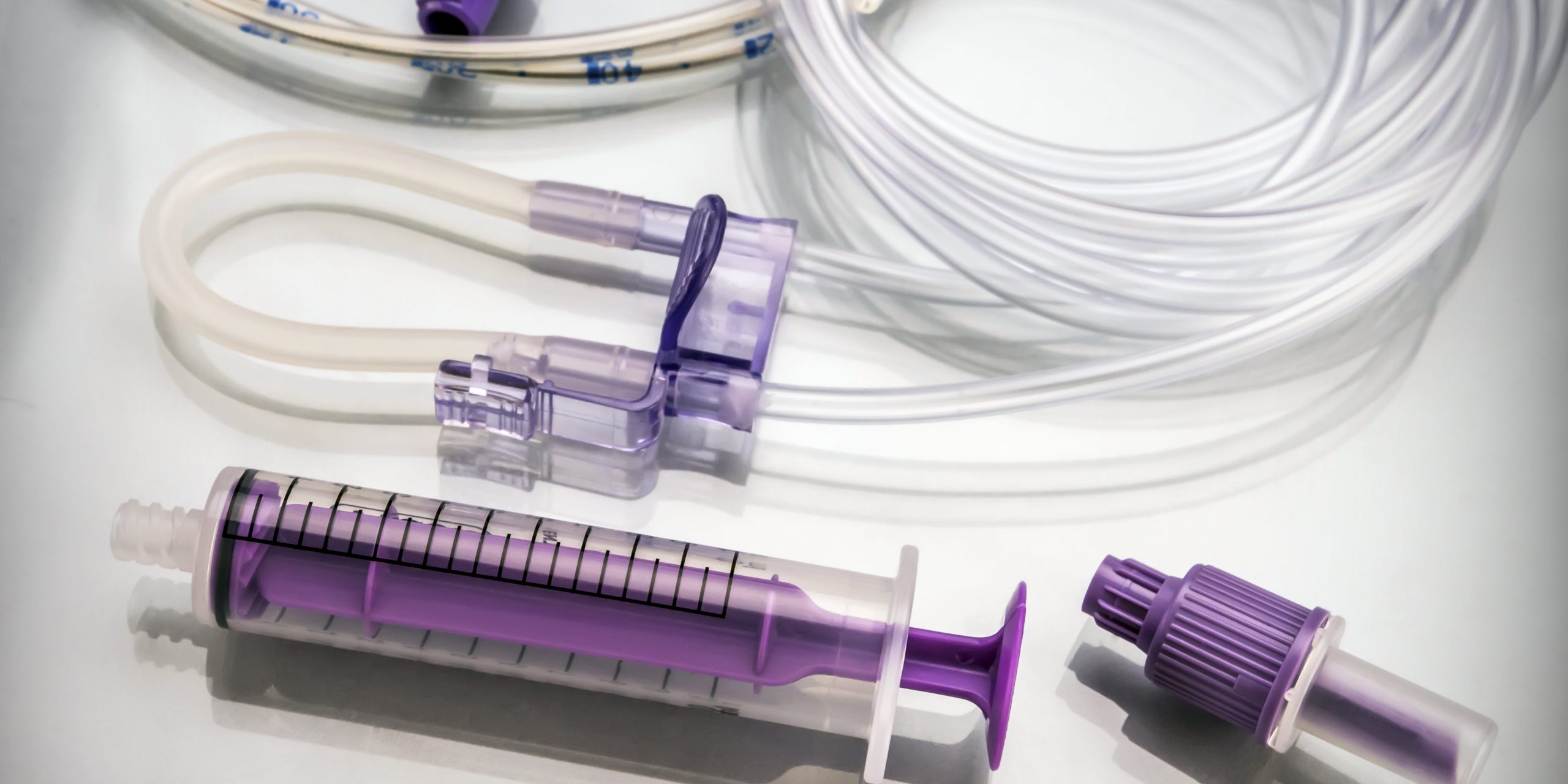

International patient safety requirements have led many countries to adopt laws and regulations to identify “ Medical Devices ” (contact lenses, bandages, scalpels, syringes, prostheses, in vitro diagnostic devices).
The UDI (Unique Device Identifier) coding provides all the standardized information relating to the life cycle of the device: from its production to its final use to prove its authenticity.
The USA (with the Food and Drug Administration regulation FDA ), the EU (with the Medical Devices Regulation MDR 2017/745 and IVDR 2017/746 ) have approved regulations for the identification of medical devices while in Canada, Japan, China, Brazil, South Korea, China, Israel, Saudi Arabia and South Africa they are being defined.
How to serialize medical devices with marking and print-and-apply labelers
Manufacturers must label medical devices with specific codes called Unique Device Identifiers ( UDIs ). The UDI is a unique numeric or alphanumeric code composed of two parts:
- Device ID (UDI-DI, Device Identifier). Identifies the specific version or model of a product (mandatory and fixed).
- Production Identifier (UDI-PI, Production Identifier). It is variable and can contain one or more of the following information:
- Batch number
- Production date
- Expiration date
- Serial number
This information must be provided in both a human-readable format ( alphanumeric text ) and a machine-readable format using AIDC (Automatic Identification and Data Capture ) technology.
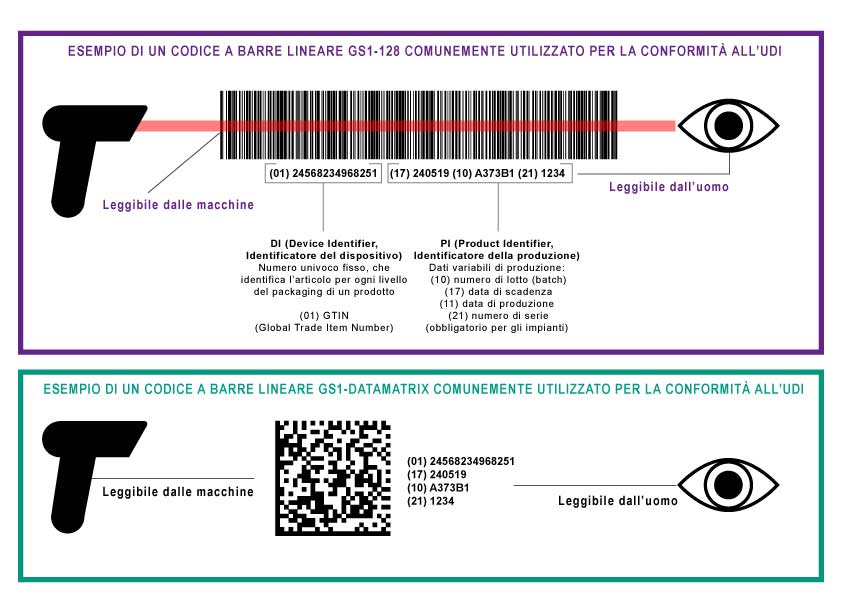
A UDI code must be placed on the primary packaging and at all higher levels of the device packaging. Since the GTIN (Global Trade Item Number , an identification number issued by GS1 ) is unique to each level of the device packaging, the UDI code is also unique at every level of the packaging.
Direct marking allows for consistent identification over time, even when a device is no longer accompanied by a label or packaging.
The print and apply and marking solution for medical devices
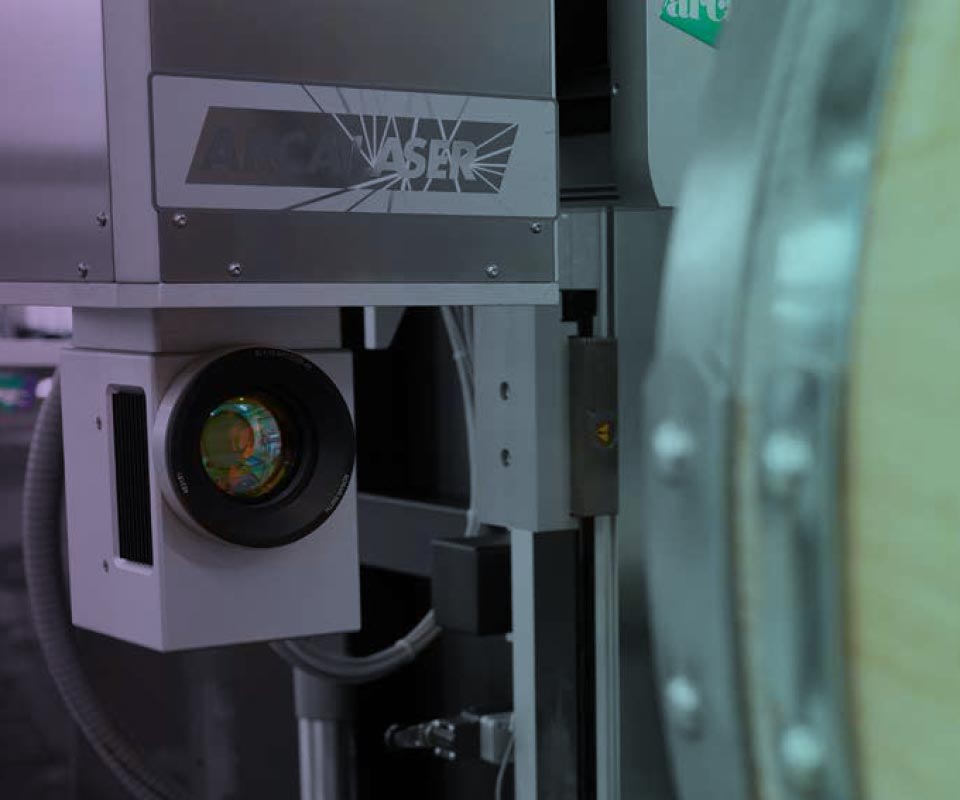
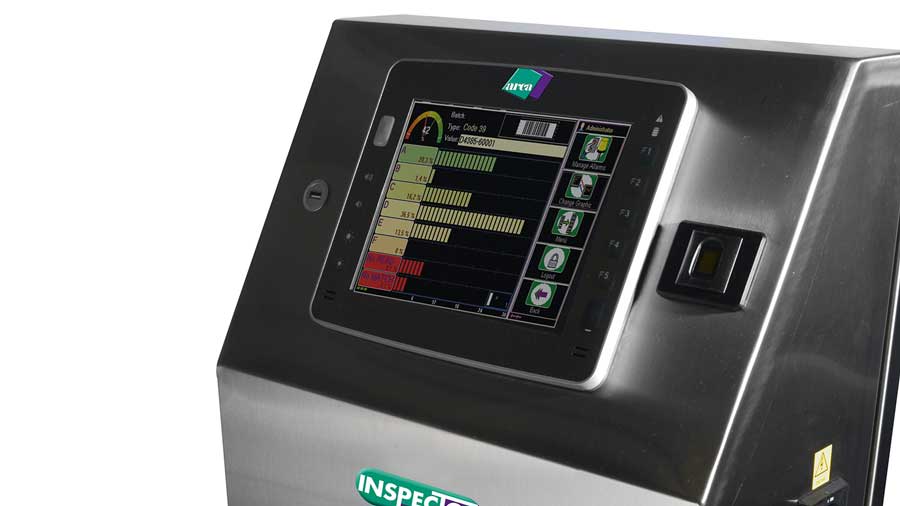
Laser Markers (UV, Green, Fiber, MOPA, Co2)
Ideal technology for direct marking of medical devices:
does not damage the product, guaranteeing its integrity
– ensures high-quality content without defects, permanent and clearly legible
resistant to highly alkaline, acidic and corrosive cleaning processes.
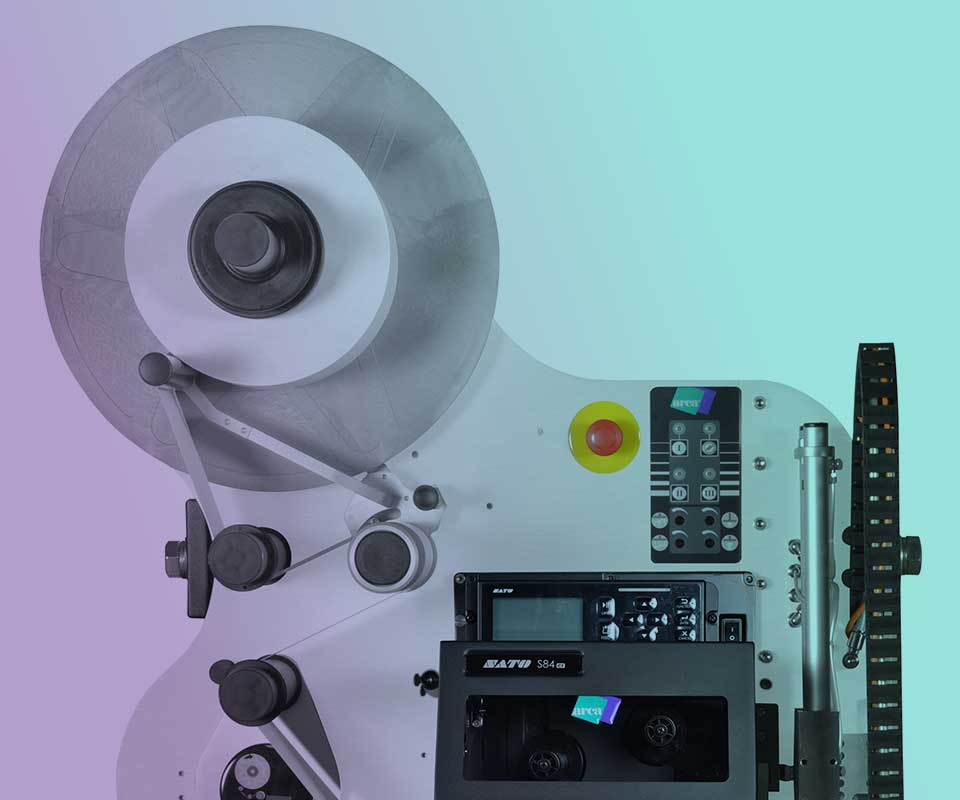
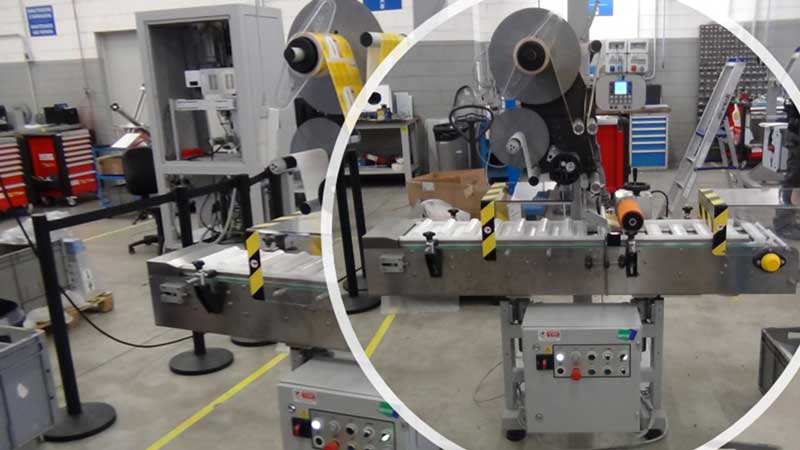
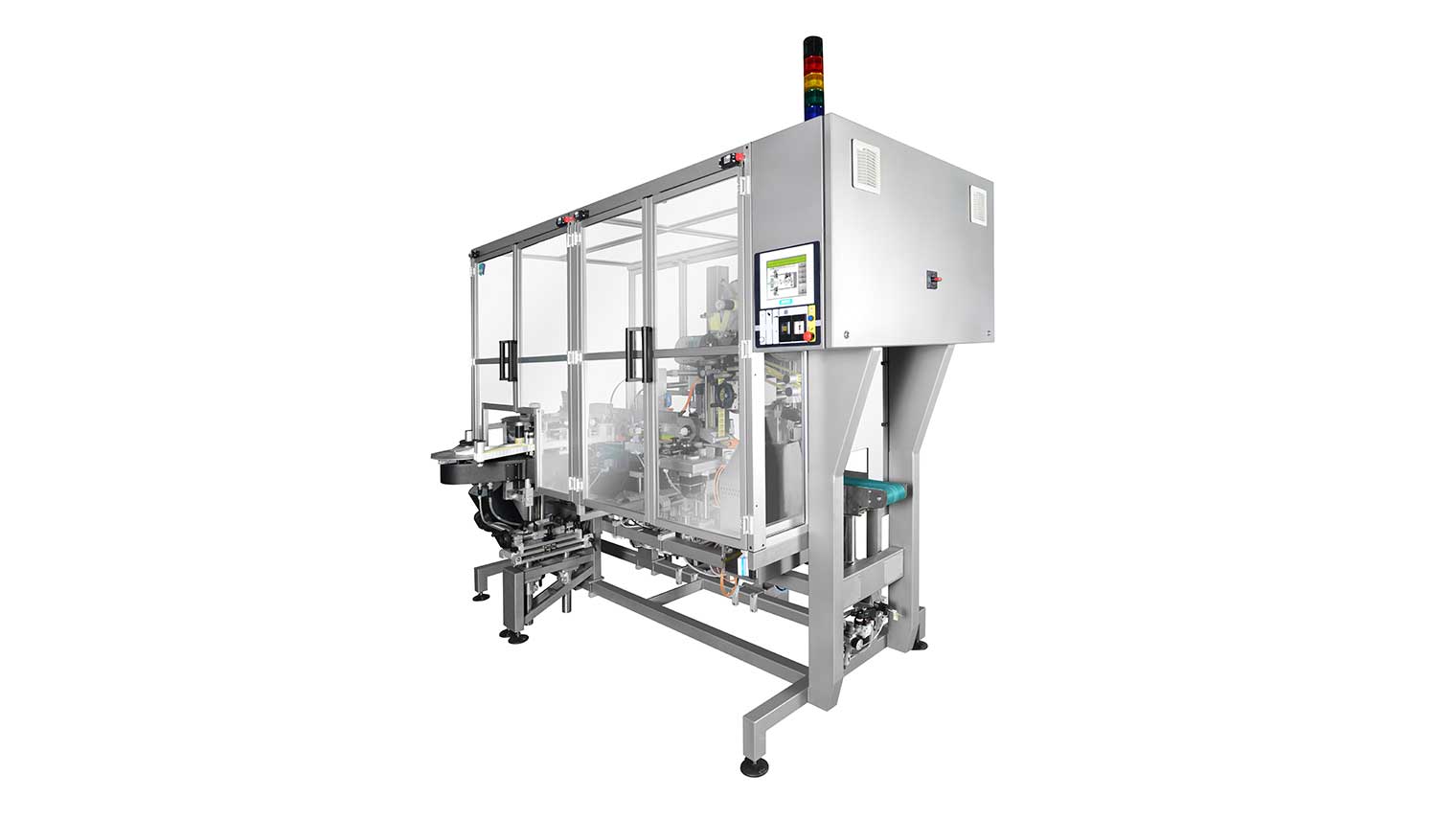
Print and apply labelling machines
Print-and-apply labelers are the ideal technology for printing a UDI code in real time on a label and applying it to a product, secondary packaging, or pallet : a suitable solution for the code aggregation process (creating the parent-child relationship between the unique codes of unit packages and the UDI codes of subsequent packaging levels), improving the traceability of medical devices.
CLASSIFICATION OF MEDICAL DEVICES
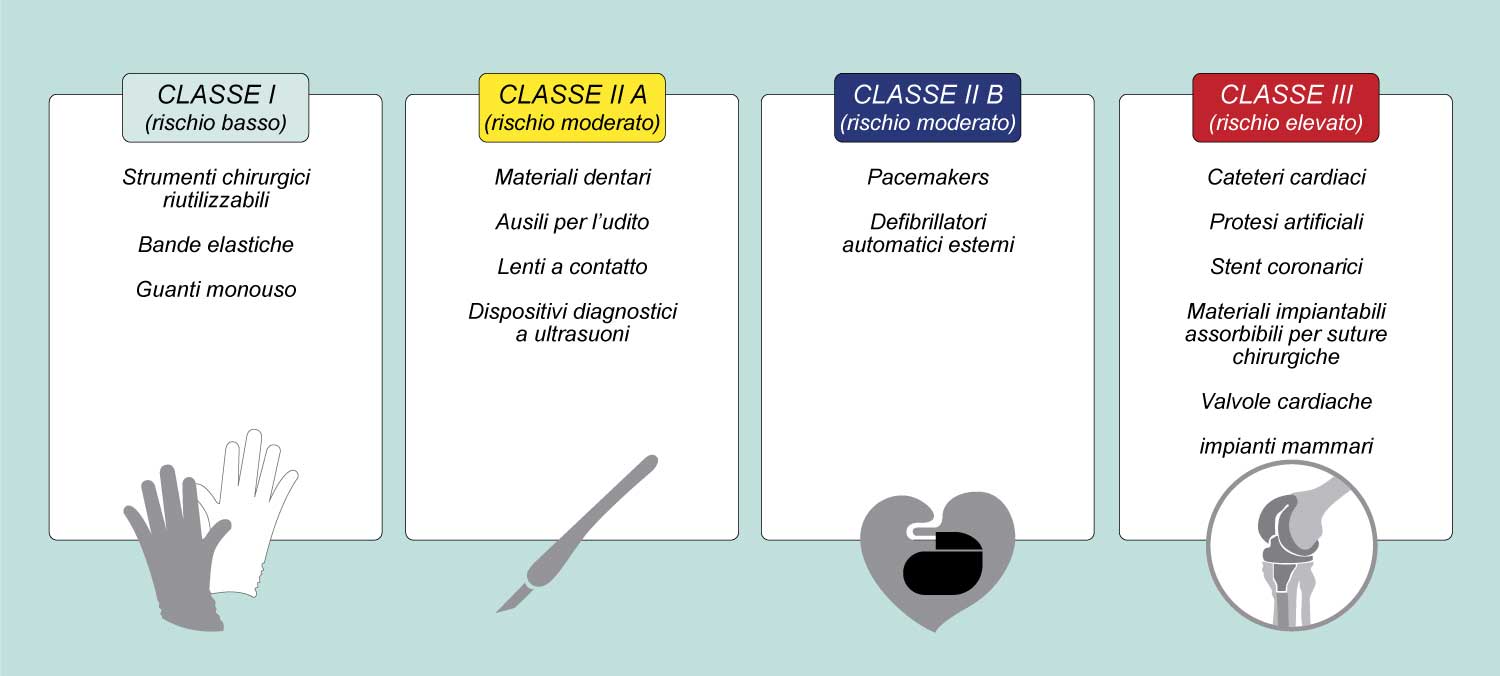
The classification of the medical device is based on the level of risk associated with the device under consideration.
- Class III devices: cardiac catheters, coronary stents, heart valves, breast implants, HIV diagnostic tests, endosseous implants, artificial prostheses, extended-wear contact lenses, absorbable implantable surgical suture materials…
- Class IIb devices: Pacemakers, automated external defibrillators, acupuncture needles, infusion pumps…
- Class IIa devices: Daily contact lenses, motorized wheelchairs, surgical drapes, dental materials, hearing aids, ultrasound diagnostic devices…
- Class I devices: Elastic bandages, latex gloves, portable and reusable surgical instruments.
Read also the article: Arca solutions for burglar-proofing and traceability